Real Talk About Andropause: What Men Need to Know About the "Male Menopause"

Real Talk About Andropause: What Men Need to Know About the "Male Menopause"

September 01, 20266 min read

Real Talk About Andropause: What Men Need to Know About the "Male Menopause"

When we think about aging and hormonal shifts, our minds almost always jump to women and menopause. It is a topic openly discussed in doctors' offices, magazines, and family dinner tables. But did you know that men go through their own unique hormonal transition?

It is called andropause—often nicknamed "male menopause"—and it is a completely natural part of growing older. Despite how common it is, many men suffer in silence simply because they do not know what is happening to their bodies.

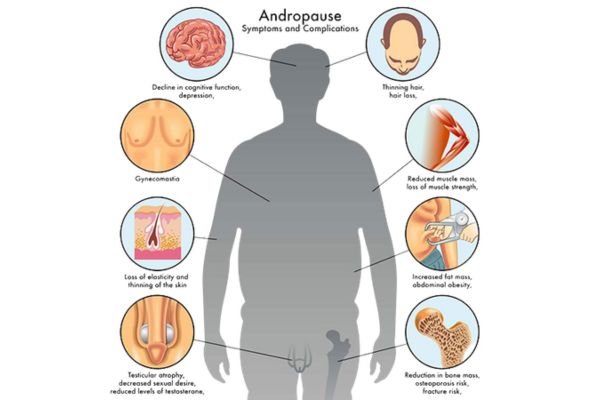
If you have been feeling a little less like yourself lately—perhaps finding it harder to build muscle, noticing a drop in your energy levels, or feeling unusually moody—you are not alone. To help break it down, let’s take a closer look at the key symptoms and complications of andropause. As illustrated in the helpful visual guide andropause.jpg, these changes can impact everything from your head to your toes.

Let’s dive into what is actually going on, why it happens, and how you can reclaim your vitality.

What Exactly is Andropause?

To understand andropause, we have to talk about testosterone. Testosterone is the primary male sex hormone. It is the powerhouse chemical responsible for your deep voice, facial hair, muscle mass, bone strength, and sex drive.

Starting around age 30, a man’s testosterone levels naturally begin to decline. Unlike female menopause, which is characterized by a sudden, sharp drop in hormones, the decline in men is slow and steady—typically dropping by about 1% every year.

Because this change happens so gradually, many men do not notice it at first. However, by the time they reach their 40s, 50s, or 60s, the cumulative drop in testosterone begins to trigger a variety of physical, mental, and emotional changes.

The Mental Shift: Brain and Mood

Our hormones do not just control our bodies; they have a massive impact on our brains. In andropause.jpg, the first major area highlighted is the brain, specifically pointing to a decline in cognitive function and depression.

  • Brain Fog and Focus: Have you found yourself walking into a room only to forget why you went in there? Or maybe you are struggling to focus on your work or remember names. This "brain fog" is very common during andropause. Testosterone plays an important role in keeping your brain sharp, and when it drops, cognitive processing can feel a bit sluggish.

  • Mood Swings and Depression: It is a common myth that men are supposed to be stoic and unaffected by emotion. Hormonal shifts can cause genuine feelings of sadness, irritability, anxiety, and even clinical depression. If you find yourself losing interest in hobbies you once loved, or feeling constantly fatigued and low, it is not a personal failure—it is a chemical change.

Changes in the Mirror: Hair, Skin, and Chest

The visual changes associated with andropause can sometimes be the hardest to swallow because they affect our self-image and confidence.

  • Thinning Hair: While genetic male pattern baldness is incredibly common, the hormonal shifts of andropause can accelerate thinning hair and hair loss across the scalp.

  • Skin Elasticity: As we age, our skin naturally loses collagen. Low testosterone speeds up this process, leading to a loss of elasticity and thinning of the skin. You might notice your skin feels dryer, thinner, and takes longer to heal from minor cuts or scrapes.

  • Gynecomastia: This is a medical term for the enlargement of breast tissue in men. Because testosterone is declining while estrogen levels remain relatively stable (or even increase slightly in proportion), the hormonal imbalance can cause swelling or tenderness in the breast area. While it can feel embarrassing, it is a very common and treatable medical symptom.

The Physical Struggle: Muscle Loss and Belly Fat

If you feel like you are working twice as hard in the gym just to get half the results, you are not imagining things. Two closely related symptoms of andropause are reduced muscle mass and loss of muscle strength, alongside increased fat mass and abdominal obesity.

  • Losing Muscle: Testosterone is the primary building block of muscle tissue. When your levels drop, your body struggles to maintain its muscle mass. You might find that your strength is decreasing, and exercises that used to feel easy now leave you exhausted.

  • Stubborn Belly Fat: At the same time your muscle is decreasing, your body is more likely to store fat, particularly around the midsection. Abdominal obesity is more than just a cosmetic concern; carrying extra weight around your organs (known as visceral fat) increases your risk for cardiovascular disease and type 2 diabetes.

Beneath the Surface: Hormones, Libido, and Bone Health

Some of the most significant changes during andropause happen out of sight, deep within the body's systems.

  • Testicular Atrophy and Reduced Libido: As testosterone levels bottom out, men often experience testicular atrophy (a reduction in the size of the testicles) along with a decreased sexual desire. Erectile dysfunction and a lower drive for intimacy are incredibly common. Because society often links masculinity to sexual performance, this symptom can be incredibly isolating, but it is a straightforward biological reaction to low hormone levels.

  • The Silent Risk of Osteoporosis: We often associate osteoporosis (brittle bone disease) with elderly women. However, as andropause.jpg points out, a drop in testosterone leads to a reduction in bone mass, osteoporosis risk, and fracture risk. Testosterone is crucial for maintaining bone density. When bones become weak and porous, even a minor slip or fall can result in a serious fracture.

Taking Control: How to Manage Andropause

Here is the good news: you do not have to just sit back and accept these symptoms as an inevitable, miserable part of getting older. There are plenty of highly effective, proactive steps you can take to manage andropause and feel great again.

Re-evaluate Your Nutrition

What you put into your body matters now more than ever. Focus on a diet rich in whole foods: Lean proteins (like chicken, fish, and beans) help preserve that precious muscle mass. Healthy fats (found in avocados, nuts, and olive oil) are the building blocks your body needs to produce hormones. Be sure to get plenty of calcium and Vitamin D to keep your bones strong and ward off osteoporosis.

Move Your Body (Especially Strength Training)

If you aren't lifting weights, now is the time to start. Resistance and strength training are natural boosters for testosterone. Working your muscles helps fight off muscle loss, burns stubborn belly fat, and keeps your bones dense and strong. Plus, exercise is a proven mood booster to help fight off depression and anxiety.

Prioritize Your Sleep

Your body produces the vast majority of its testosterone while you are asleep. If you are consistently sleeping less than seven hours a night, you are actively draining your hormone levels. Aim for 7 to 8 hours of quality, uninterrupted sleep every night.

Talk to a Doctor

If lifestyle changes aren't quite doing the trick, it is time to have an honest chat with your healthcare provider. They can run a simple blood test to check your hormone levels. Depending on your results, you might be a candidate for Hormone Replacement Therapy (HRT) or other medical treatments that can help safely restore your balance.

Kateryna Iskiv, FNP-BC

Kateryna Iskiv, FNP-BC

Kateryna Iskiv is a family nurse practitioner who is passionate about helping others feel their best. Born and raised in Kyiv, Ukraine, she moved to the United States in 2000 and earned her bachelor’s degree in nursing at the University of Texas Medical Branch (UTMB) in Galveston, Texas, in 2008.
Instagram logo icon
Back to Blog